


What to weigh up before booking a whole house for your wedding
More couples are choosing to book a whole house for their wedding weekend instead of a traditional venue – not as a trend for its own sake, but because it solves problems a Saturday-only venue can’t. Before you commit either way, here’s what actually differs, and what’s worth checking before you sign anything.
THE MATHS IS DIFFERENT, NOT NECESSARILY CHEAPER
The average UK wedding now costs around £272 per guest, and that figure covers a single day. A whole-house booking spreads cost differently: you’re paying for the property across two or three nights rather than a few hours, but that cost usually includes your accommodation, your morning-after breakfast, and somewhere for close family to actually sleep – costs a day-only venue doesn’t touch at all, because you’re paying separately for hotel rooms on top. Whether it’s cheaper overall depends entirely on how many of your guests you’d otherwise be putting up in nearby hotels anyway. Do that sum properly before comparing headline prices, because the headline price is rarely comparing like for like.
TWO GUEST LISTS, NOT ONE
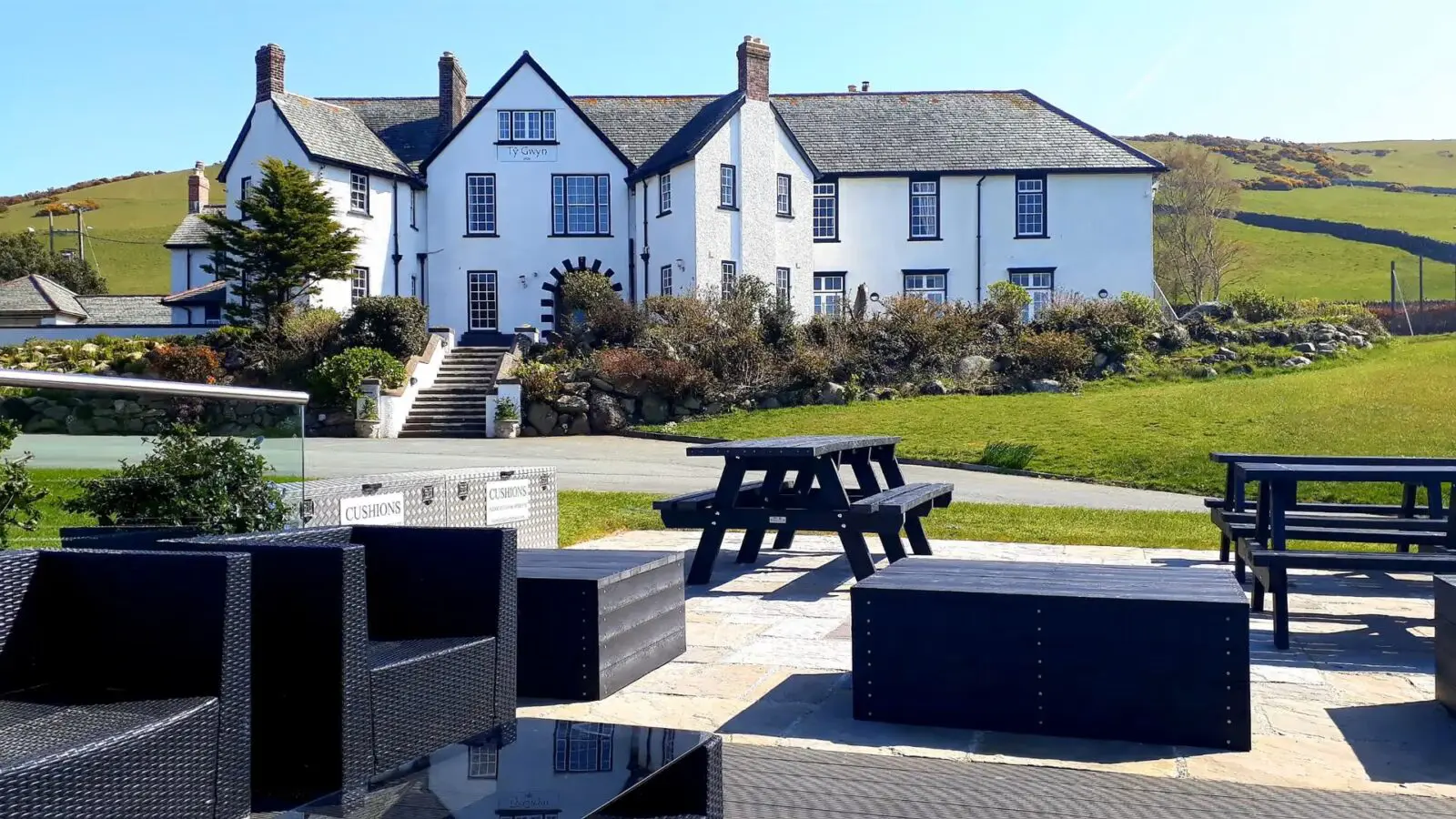
Work out two numbers before you fall for a property: how many people you’re inviting to the day and evening, and how many you actually want staying under the same roof as you. UK guest lists have trimmed down noticeably since the pandemic — day numbers now average in the low seventies, evening guests in the low twenties, both well down on the 90-to-100 that was typical before 2020. A garden or marquee can comfortably absorb most of that day crowd. The house itself only needs to hold your inner circle, and that’s usually a far smaller, more manageable number than your full guest list.
THE LEGAL CEREMONY QUESTION
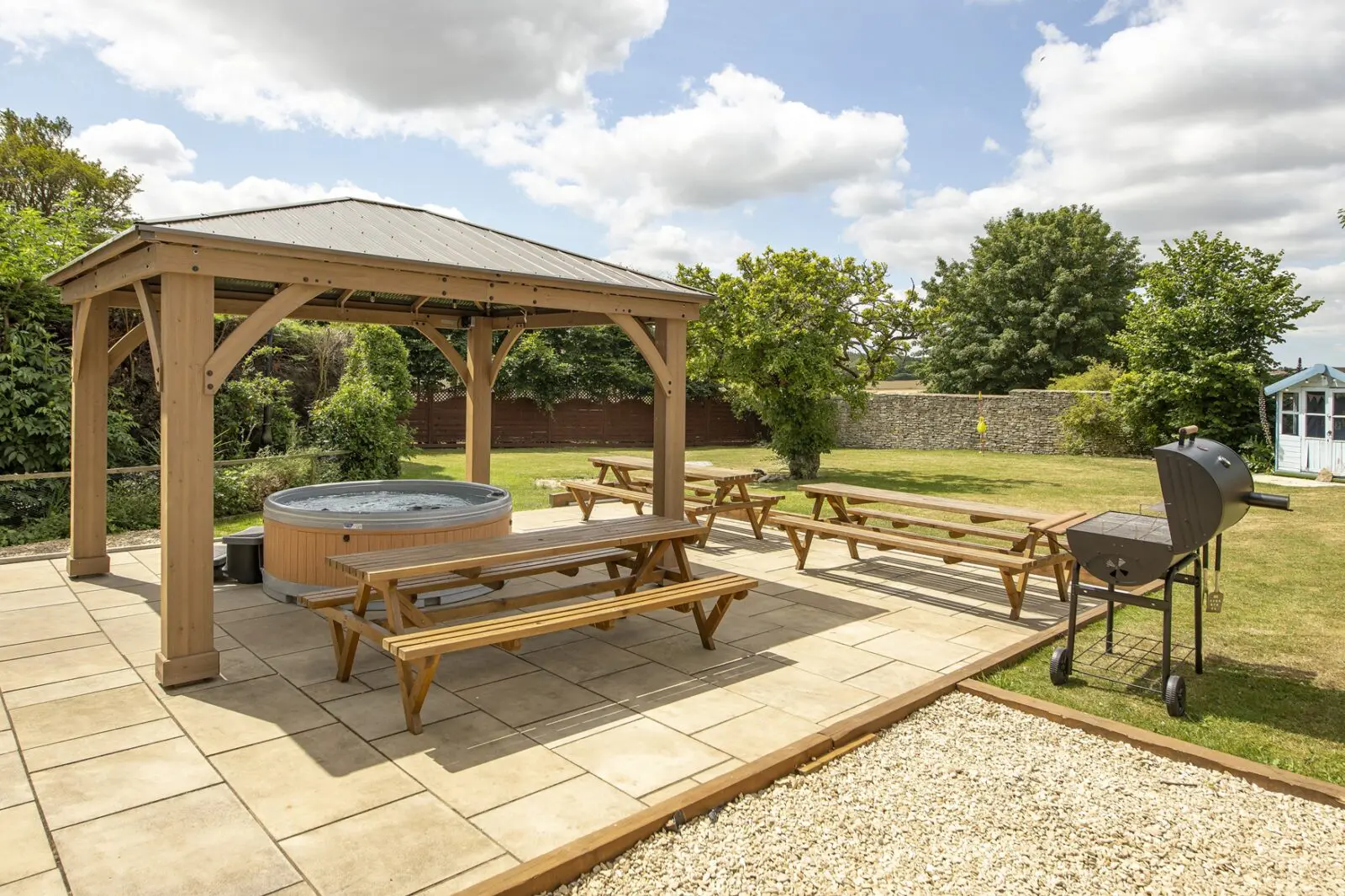
This is the detail that catches people out most. English and Welsh marriage law doesn’t currently allow a private residence to hold an approved-premises licence, so however perfect the setting, the legally binding signing has to happen elsewhere — usually a brief register office booking, done quietly either just before the day or in the days running up to it. Guests experience the house ceremony as the real one; it simply isn’t the one with the legal paperwork attached. Flag this to guests in advance so nobody’s confused when there’s no registrar present on the day itself.
WHAT TO CHECK BEFORE YOU BOOK
A wedding venue comes with wedding-specific terms built in. A holiday house often doesn’t, so it’s worth checking a few things directly rather than assuming: whether the booking terms actually permit a wedding-sized gathering rather than just a standard holiday let, what the noise and curfew arrangements are given you’ll likely have music running later than a typical stay, what the damage deposit and cancellation terms look like for a booking this important, and whether the property can genuinely cater for the numbers you’re planning — both sleeping and for the day event itself. None of this is difficult to check, but it’s easy to skip when you’re excited about a property, and it’s the sort of thing that causes problems eight months later rather than on the day you book.
BOOKING TIMELINE
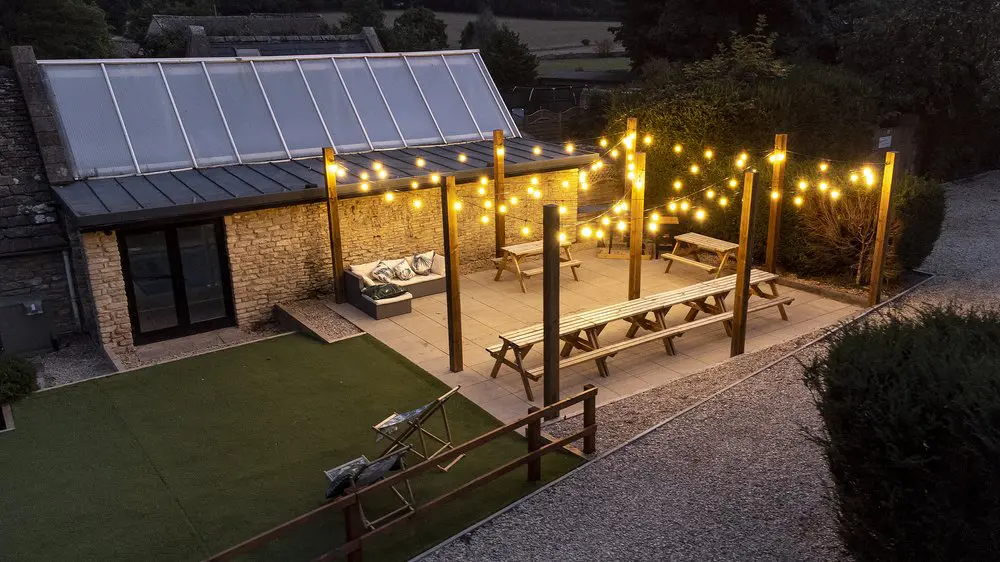
Popular UK wedding dates, particularly weekends between May and September, get booked up well over a year in advance for both traditional venues and standalone houses, so the usual advice holds: start looking 12 to 18 months out if you have a specific date or season in mind, and be prepared to move quickly once you find somewhere that fits your numbers, your budget and your guest list shape.
OUR HONEST TAKE
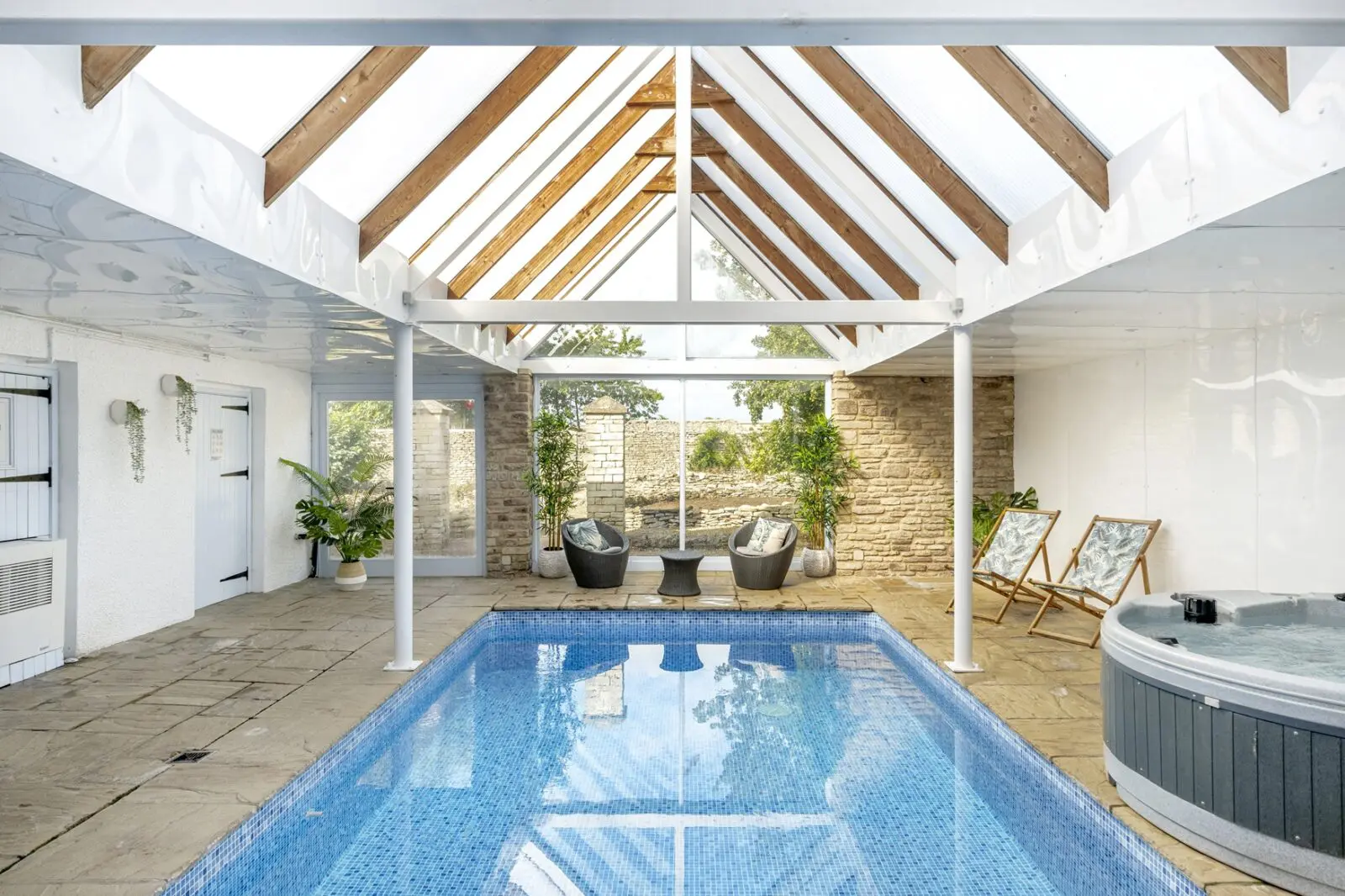
A whole house won’t suit every wedding, and if you want three hundred guests and a dancefloor until 2am, a traditional venue is still the better tool for the job. But for couples who want their closest people around them for more than a single afternoon, without the churn of everyone checking into separate hotels and drifting off after the speeches, it’s worth serious consideration as a group accommodation option
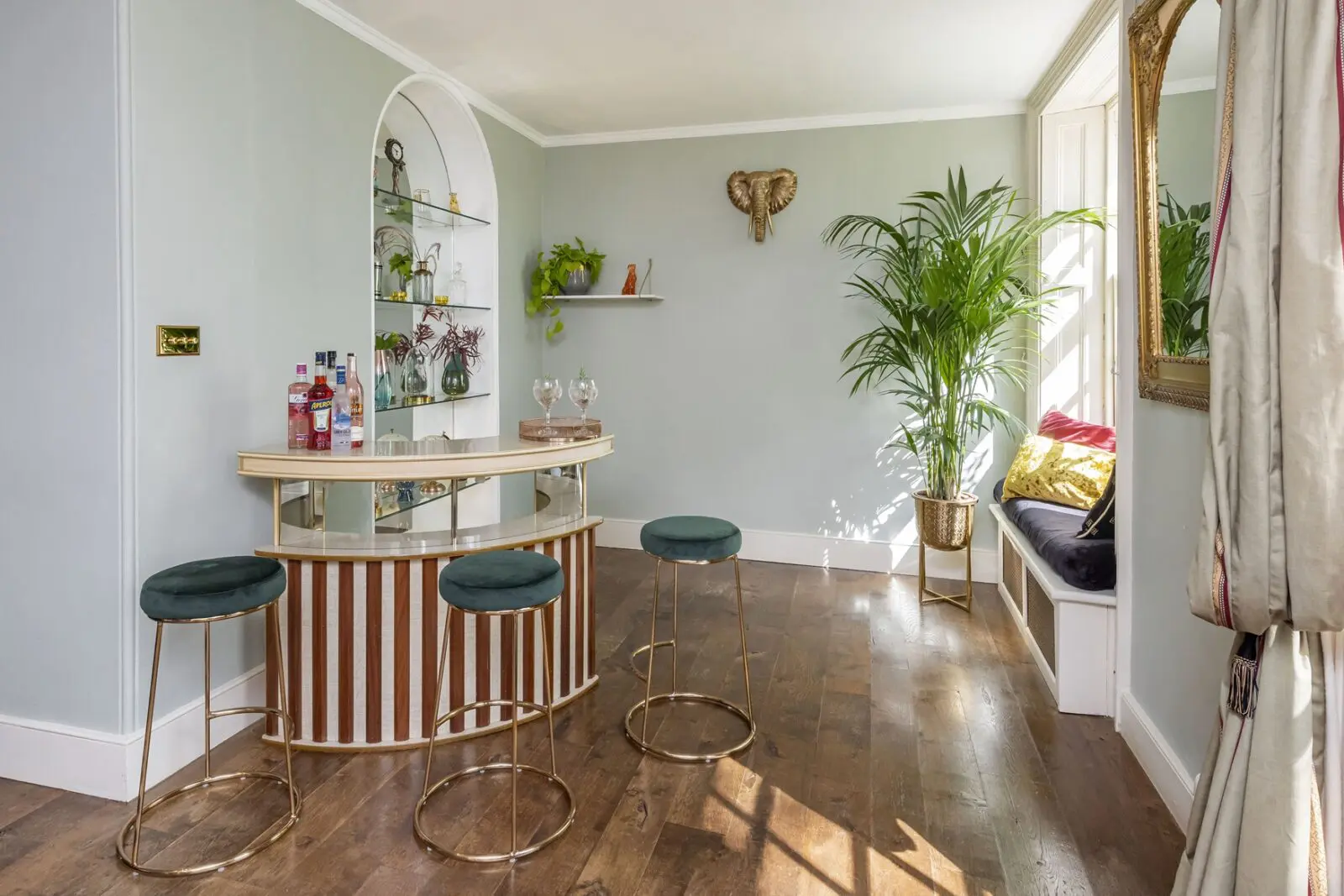
Work out your real numbers first – day guests, evening guests, and who’s actually staying – and the rest of the decision tends to sort itself out. For more examples of stunning houses to hire across the UK, check out Group Escape Houses.
For further information on celebrant-led ceremonies in a private-hire house, see here.
