


What should couples agree on before booking a ski honeymoon?
An active honeymoon can feel wonderfully personal. You might spend the morning skiing, hiking or snowboarding, then celebrate over dinner recounting stories from your memorable day together. Yet enthusiasm alone won’t make the best stories. If you differ in fitness, confidence or in what constitutes comfort, a packed itinerary can quickly turn romance into negotiation. So agreeing on a few practical points first lets the adventure bring you closer, rather than leaving one person exhausted. Is a ski honeymoon for you?
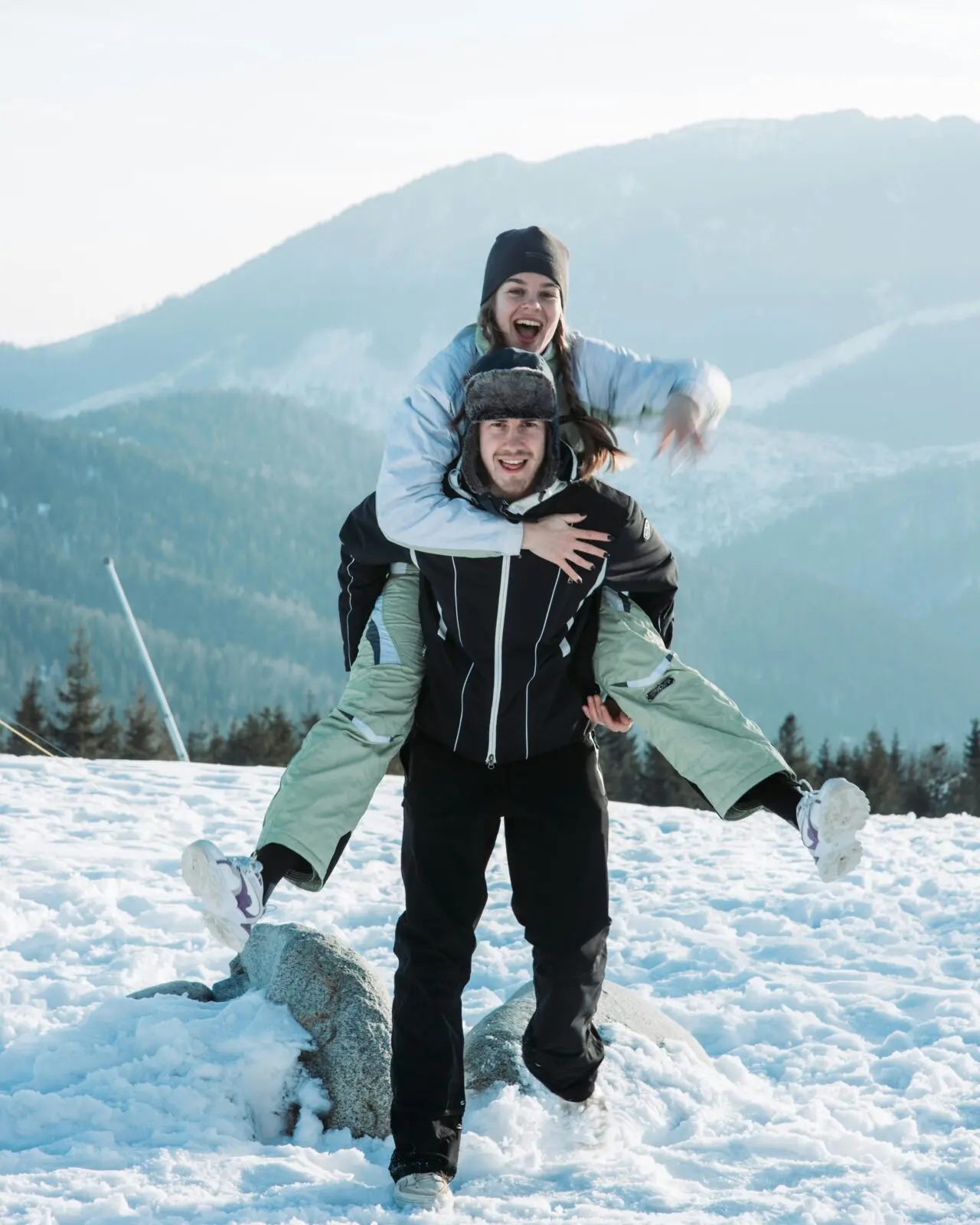
Define what “active” means to each of you
One person may picture first early morning lift to the late evening last lift; the other may imagine a gentle lesson followed by a spa afternoon. Both qualify as an active honeymoon, but they require a different mindset. Discuss how many activity days you want, how long you enjoy being on the go and which experiences feel exciting rather than intimidating. A confident skier should not assume a beginner will enjoy being coached by their partner. When checking out ski holidays for an active honeymoon, look at lessons, suitable terrain, accommodation and travel as one plan. A resort with good beginner areas and challenging slopes lets you progress separately without making either person feel held back. The Ski Club of Great Britain’s guidance on decision-making in the mountains also advises groups to discuss the day’s objective and assess everyone’s ability, stamina and equipment before choosing terrain.
Agree when togetherness matters
A ski honeymoon should create shared memories, but you don’t need to spend every hour side by side. Decide the minimum activity you want to share. You might ski one easy run together before lunch, hike the first part of a trail as a couple or join the same introductory snowboarding course. The more experienced partner can then explore harder terrain while the other takes a lesson or enjoys a slower afternoon. Set one clear point of re-connection, such as lunch on the mountain or drinks at the hotel. That gives both of you independence without making the day feel separate. Either partner should also be able to request a slower day without guilt. Ideas for a honeymoon that balances adventure with relaxation show why contrast can strengthen a trip rather than dilute it.
Decide what comfort and recovery are worth
One of you may see a beautiful hotel, spa and generous breakfast as part of the celebration; the other may prefer a practical apartment and spend more on a private guide. Accommodation can expose different expectations quickly. Discuss what you need for a good night’s sleep, how important lift or trail access feels and whether you want wellness facilities on site. Give recovery days an actual place in the itinerary too. Rest isn’t wasted honeymoon time, even if you want yours to be more active – it’s quite the opposite! It helps you enjoy the experiences you have paid for.
If you travel soon after the wedding, keep the first day deliberately free. Our advice on planning a honeymoon around your must-have experiences supports the same principle: choose one or two priorities rather than forcing every idea into one super-busy trip.
Set the budget around shared priorities
An active ski honeymoon adds costs that a simple beach stay may not. Think about including equipment, lessons, guiding or specialist insurance. Build the full budget together, then decide which upgrades will significantly improve the trip. But keep one celebratory expense unrelated to the skiing, such as a special dinner or a room with a view. It reminds you that this is a honeymoon, not a training camp! Also agree on how you will handle a change of plans. A contingency fund and appealing indoor alternatives will prevent disappointment from becoming an argument.
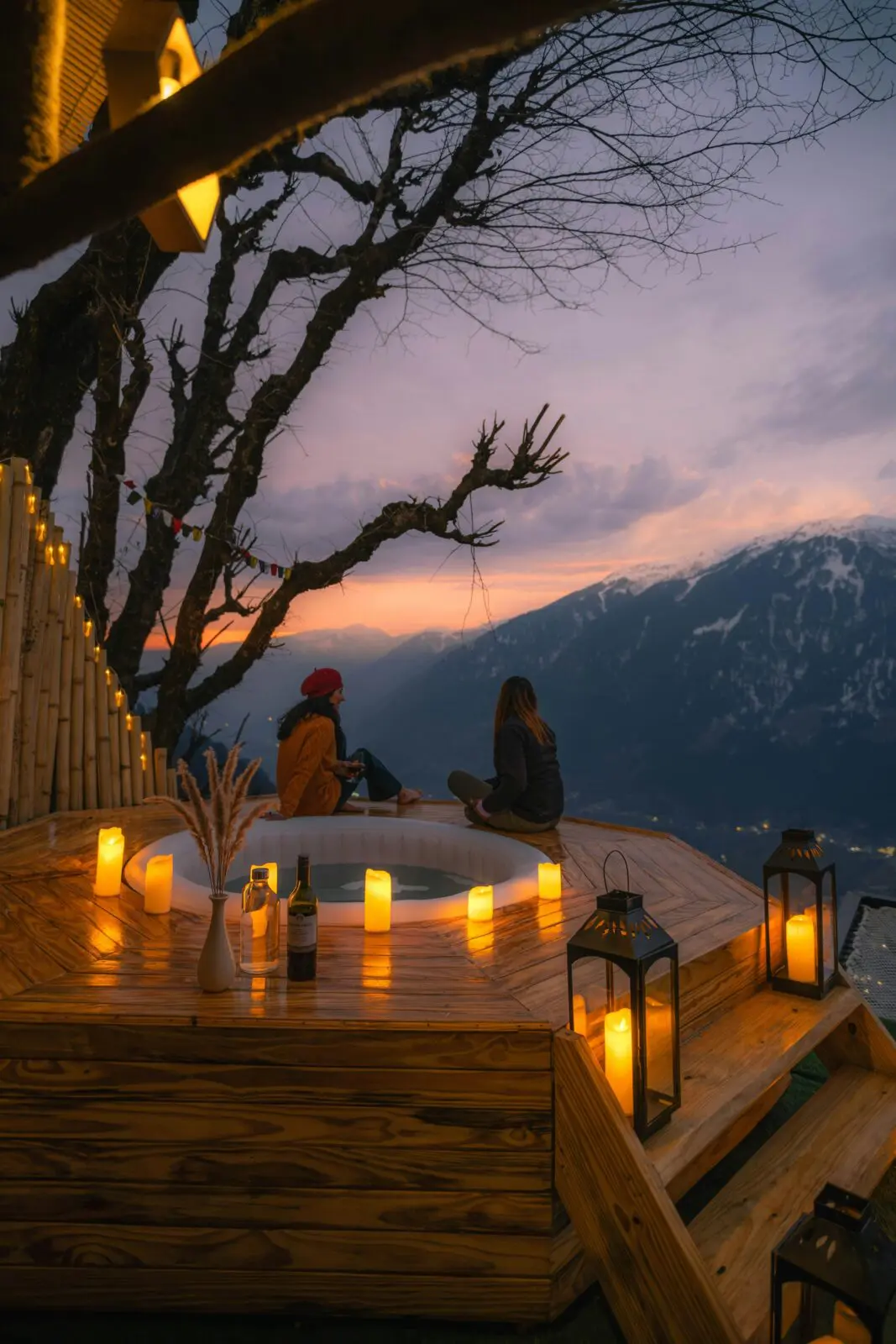
When both of you can slow down and pursue the adventure together, it easily becomes a celebration of how well you have already, and will continue, to travel through life together.
