


Choosing an ethical engagement ring
Paul Mentessi is a gemmologist with pre-owned jewellery specialist Est.1987. Here, he shares his advice on finding an ethical engagement ring, so you can wear your sparkle with a clear conscience.
Prized for their brilliance and fire, diamonds are the most popular gemstone on the market, especially when it comes to engagement rings. But, this demand has led to a number of humanitarian and environmental crises around the world.
This sought-after stone which is usually seen as a symbol of romance is now responsible for a whole host of problems, including the exploitation of mine workers, severe damage to the eco-systems in which quarries are located, and the funding of weapons for conflict and war.
If you’re currently searching for the perfect engagement ring, but you’re worried about funding a harmful industry, then there are still plenty of alternatives. Here, I’ve shared four tips to help eco-conscious brides-to-be find a stunning engagement ring, without worrying about the human and environmental cost.
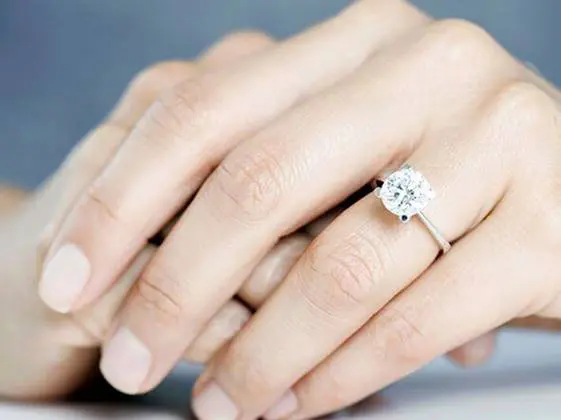
Look for conflict-free diamonds
If you’ve got your heart set on a traditional diamond sparkler, but you don’t want to fund the diamond industry, then there are still options available that won’t cost the earth. While there’s currently no fair-trade certification system for diamonds (like there is for coffee or chocolate) it’s still possible to find new gems that are conflict-free. When shopping, ask your jeweller for the exact origin of the diamonds you’re buying: a good jeweller should know everything about them. If they don’t know, then continue your search with a different jeweller.
Or go for pre-owned gems
If you’re worried that even gems that are ostensibly marketing as fair-trade could be tainted by conflict and exploitation, then you can avoid the problem completely by shopping for exclusively pre-owned jewellery. This way, you can get a traditional diamond ring without adding to the demand for new diamonds, meaning you’re not contributing to the violence and damage caused by the mining industry. Pre-owned rings can also be substantially more affordable than brand new styles, so if you’re both an eco- and budget-conscious bride, it’s a win-win choice.
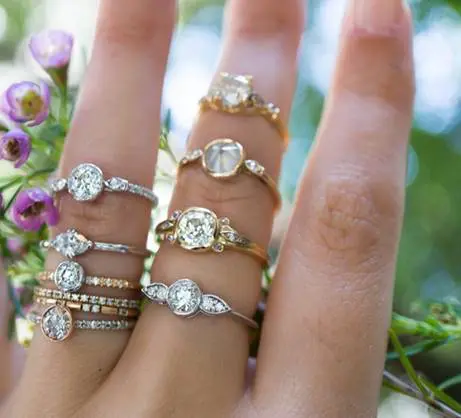
Shop for unusual stones
Although a diamond is traditional, there’s no reason that your engagement ring needs to feature one. Alternatives such as morganite, tanzanite, amethyst and alexandrite are all much less likely to be conflict-gemstones, and they tend to be cheaper even though some of them are actually rarer than diamonds. They’ll still have the same sparkle, and you’ll stand out from the crowd with a unique engagement ring, too.
Choose unique materials, instead of traditional gold
Mining just an ounce of gold about enough to make a £1000 wedding band creates 30 tonnes of toxic mining waste, according to research from Earthworks published in the Independent. Poisonous liquid cyanide is used to separate the gold from the rock, making it an extremely dangerous, dirty job for the miners. Additionally, the chemicals used in the separation process are extremely harmful to surrounding eco-systems.
The solution? Don’t buy a traditional gold engagement ring at least not a new one. There are plenty of other precious metals which will look just as wonderful on your finger, without funding the gold mining industry. Metals like palladium are actually a mining by-product of the much more popular platinum, making it an eco-friendly option because it’s not purposely mined on its own. And, much like platinum, it’s a noble metal and so won’t rust or corrode over time.
There are lots of ways that eco-conscious brides can find a beautiful engagement ring without funding harmful mining industries. You can find ethical diamonds by shopping for pre-owned jewellery, or by checking the origin of your chosen stone with your jeweller. You could even opt for eco-friendly gems and metals, like morganite and palladium: chances are, your ring will feel even more special because it’s unique.
we have created a FREE wedding planning pack for you to download here
